
My Cart
0
You have no items in your shopping cart.

Now that the weather has started to turn chillier, you can expect to see more rain, ice, and snow in the coming months. (And of course, we’ve already seen quite a bit already!) This makes now the perfect time to get those last-minute checks in and ensure that your decking is prepared for the colder months ahead. Whether you’re leaving your timber decking dormant for the next few months or you plan to make use of your composite decking as you usually would this winter, taking some time for care and maintenance now can make all the difference when it comes to maintaining its sturdiness and structural integrity as well as it’s aesthetics.
With the right preparation, you can make sure your decking withstands whatever winter throws at it, from freezing temperatures to snow and more! So to help, our decking experts, we have compiled some simple, practical tips for maintaining its sturdiness and beauty this winter.
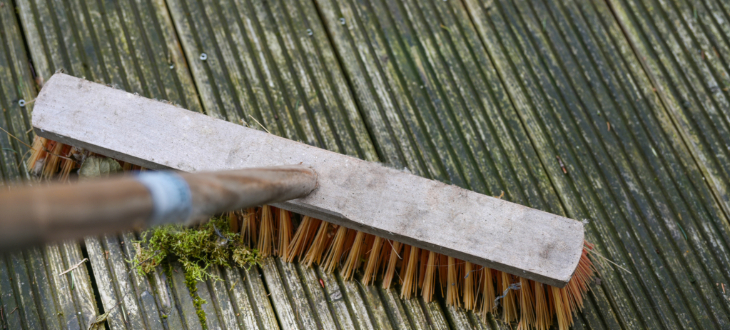
Start with a good clean! Over time, leaves, dirt, and other debris can accumulate on your decking, especially this time of year. This buildup can trap moisture, especially as snow and ice melt, leading to slippery surfaces and potential damage like rot or mould growth.
A fine day is best for this; it doesn’t have to be warm, but the drier, the better! Start by giving your deck a good sweep to loosen any debris using a sturdy bristle brush or broom (nothing too harsh that will scratch, though). Pay extra attention to corners, gaps between boards, and around any railings, as these areas often collect the most debris.
If your deck has stubborn stains or grime that a simple sweep won’t remove, it’s time to bring out a cleaner designed specifically for your decking material. Whether you have timber, composite, or another type of decking, using a compatible cleaner ensures the best results without risking damage to the surface. You’ll be able to pick some up at your local hardware or DIY store. If you’re unsure of what cleaner to use, it’s always best to speak to your manufacturer rather than just take a guess! When you’ve got the correct clearing for your deck, apply it evenly across the boards and gently scrub with a stiff brush, working it into the wood grain or textured surface to lift away dirt.
If needed, let the cleaner sit for a few minutes to break down tougher stains. Then, rinse thoroughly with a garden hose to wash away the cleaner and any loosened dirt!

Before the cold sets in, inspect your decking for damage and carry out necessary repairs. Over the summer and autumn months, your decking has likely had its fair share of use, from outdoor gatherings to daily wear and tear. This can result in small cracks, splinters, or even loose boards, which might seem minor now but can become major issues once we really get into the thick of the winter weather.
When rain, snow, and ice seep into these tiny cracks, they can freeze and expand, causing the wood to split further or weaken the structure over time. Splinters can also worsen, making your deck look a bit worse for wear and potentially unsafe to walk on.
Addressing these issues now, or as soon as you notice them, prevents small problems from escalating into costly repairs later. Replace any damaged boards, sand down splinters, and tighten loose screws or nails to ensure your deck is stable and secure. It can go a long way to saving you time, money, and hassle when warmer weather returns next year!
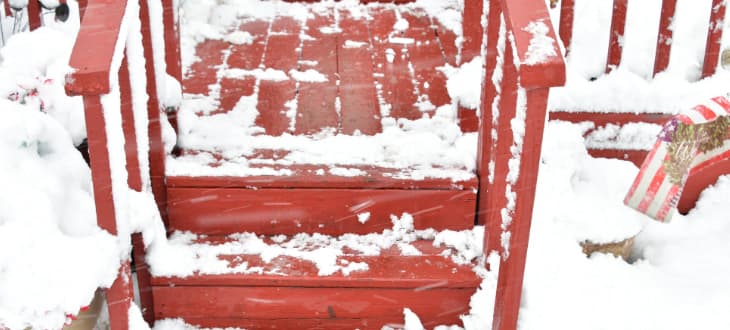
Walking on the decking during the winter months can be quite an inconvenience, especially when it’s wet or icy. One of the easiest and most effective ways to reduce the risk of slipping is by adding grip strips to ramps and steps. These handy additions provide extra traction, making it much safer to walk on your decking, even in the wettest and iciest conditions. This is especially handy if you need to walk across your deck to get into your garden, or if you have pets or children using your decking all months of the year.
These strips are easy to come by – you can usually pick them up at your local DIY shop for cheap and they’re easy to install, too. What’s more, they typically come in an array of colours, so you can pick out the shade that best matches your decking so it all blends seamlessly, and you can have the peace of mind that you and your family can get about on the deck without taking a tumble.
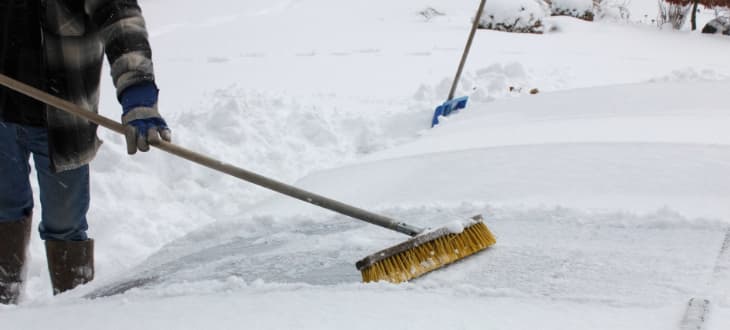
If you wake up one morning after a particularly bad spell of wintery weather to find your decking covered in ice or snow, the best way to handle this is by gently shovelling away the snow and ice with a soft-bristled broom. It’s important to avoid using metal tools because they’ll scratch and damage your decking, leaving it vulnerable to wear and tear and permeation from the water and ice. For tougher ice, pour hot water over the surface to help break it up and make it easier to remove without causing harm.
Another key point to remember is never to use salt on your timber decking. While it might seem like a quick fix for melting ice, salt can do irreversible damage to the wood, leading to discolouration and deterioration!
At Savoy Timber, we’re experts in all things decking, from composite to timber decking. If you need help looking after your decking, or you’re still choosing the right boards for your outdoor space, we can help! From decking boards to decking kits to decking samples, we have everything you need for hassle-free decking right here! If you have any questions or need any help keeping your decking sturdy over winter, our friendly team is just a call away on 0345 0268 799!

