
My Cart
0
You have no items in your shopping cart.
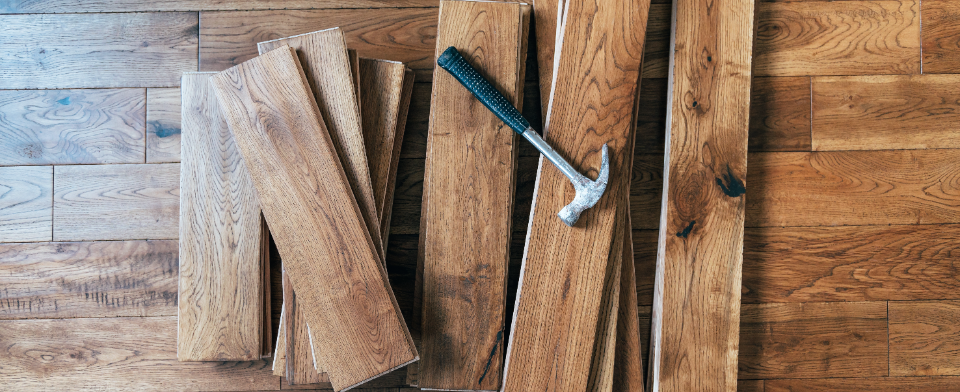
If you’ve ever walked into a room with a timber floor, you’ll know firsthand just how much warmth and character it can bring to a home. With that said, even the most well-laid timber floors can develop minor issues over time. From irritating squeaks to boards that feel slightly uneven underfoot, these small problems can detract from the comfort and finish of a space. The good news is that many of these issues are easy to fix with a few practical tips and the right guidance – and that’s where we come in.
At Savoy Timber, we’ve spent over 70 years helping our customers transform their homes inside and out, offering everything from stylish garden decking to affordable kitchen worktops. Whatever area of your home you’re working on, our aim is always the same: to offer practical advice and dependable materials you can really trust. With that in mind, here are some simple but effective fixes for squeaky or uneven timber floors.
Understanding why your floor behaves this way can help you tackle the problem confidently and prevent minor issues from becoming bigger headaches down the line. Timber is an organic material, which means it reacts naturally to its environment. That little movement you sometimes feel underfoot is actually completely normal, caused by boards swelling in summer or shrinking in dry, hot conditions. At the same time, the natural settling of a property can also contribute to movement over time, leading to squeaks, dips, or minor unevenness in your floorboards.
Squeaks typically happen when boards rub against nails, screws or neighbouring timber. Uneven floors can come from warped boards, minor shifts in the subfloor or joists, or areas where the original installation wasn’t perfectly level. While these issues can be noticeable, they’re usually harmless and can be managed effectively with a few tools and a bit of patience.
When dealing with a squeaky floor, the first step is identifying the source of the noise. Walking slowly across the floor and paying attention to where the squeak comes from will help you focus your efforts on the specific problem area without working unnecessarily elsewhere. This also makes it easier to determine whether the problem is caused by a single board or multiple boards.
Once you find the culprit, tightening it with screws is usually the most effective solution. Screws hold better than nails and, when countersunk properly, won’t create bumps or new squeaks. Depending on the size of the board or the type of flooring, you might also want to check the surrounding boards to make sure the movement isn’t spreading. Taking the extra time to secure a few boards properly can dramatically reduce squeaks and increase the floor’s longevity.
Another practical solution is using a dry lubricant like talcum powder or graphite powder. Brushing a small amount into the gaps between boards reduces friction, helping to silence minor squeaks. While this isn’t always a permanent fix, it’s quick, low-effort, and works particularly well for small areas or older floors where loosening has begun. Combining simple tightening with a touch of lubricant often resolves squeaks without the need for more invasive repairs.
Uneven timber floors can be a little more frustrating in day-to-day life. Even small dips or rises can make walking across the room feel awkward, cause furniture to wobble, or make rugs sit unevenly. Again, we’ve got some good news! Not every uneven floor needs a full replacement, and often, the issue is limited to just one or two boards that have warped, lifted or settled differently from the rest of the floor. Replacing or realigning these boards with matching timber can restore a smooth, level surface and improve the overall look of the room.
For subtler dips or rises, flexible floor levelling compounds can also help, especially if you plan to cover the timber with another surface like vinyl flooring. On the other hand, if you want to preserve exposed timber, it’s usually better to address the root cause. Reinforcing areas like loose joists or shifting subfloors can prevent further movement and create a stronger, more stable floor. In either case, taking the time to correct uneven boards simultaneously improves their feel underfoot and helps to maintain the long-term beauty and performance of your flooring.
Once your floor is quiet and level, we recommend using a few preventative measures to keep it strong and stable. Keeping indoor humidity at a consistent level helps to reduce seasonal timber movement, while rugs or runners in high-traffic areas can protect individual boards from excessive wear. Simple steps like these can make a big difference in how your floors look and feel for years to come. Regular inspections are also key. Always check for early signs of loose boards or minor movement, so you can address problems before they become more noticeable or costly.
Sometimes, minor fixes aren’t enough. If your timber floor shows widespread wear, persistent squeaks or significant unevenness, it might be time for a more comprehensive update. Many homeowners use this as an opportunity to refresh multiple elements of their home at once, combining floor improvements with new internal doors or stylish kitchen worktops. This approach lets you create a considered, premium finish that flows seamlessly from room to room, enhancing the look and feel of your space. We recommend matching warm oak tones to create a cohesive, polished effect and using contrasting shades to make a bold, chic statement.
Enhancing your home doesn’t need to be difficult, and that goes for more than just floors. At Savoy Timber, we’re committed to making DIY easy, providing everything you need to transform your space with confidence. From durable garden decking to contemporary doors, all of our products are expertly designed, built to last and competitively priced, with speedy national delivery for extra convenience.
If you’re ready to upgrade your space, you’re definitely in the right place. To learn more, explore our website, pop into one of our stores or give us a quick call on 0345 0268 799 today, and our friendly team will be happy to help.

