
My Cart
0
You have no items in your shopping cart.
Once the cold weather rolls in, your timber decking really starts to feel it. Between the constant rain, icy mornings, and the odd bit of snow, your decking goes through a lot during the winter months. Changes in temperature and moisture can cause the wood to expand and contract, leading to the warping or cracking you sometimes spot come springtime. Luckily, with a few easy steps and a bit of regular upkeep, you can keep your deck looking smart and standing strong right through to the warmer weather.
The good news is you don’t need to be a DIY pro to give your decking a fighting chance. With a bit of care before the worst of the cold sets in, you’ll save yourself a lot of bother (and money) later down the line. Here are a few simple but effective ways to protect your timber decking this winter.
Before winter properly takes hold, it’s worth giving your decking a really good tidy-up. Over autumn, leaves, soil, and debris build up between the boards, and when they stay wet, they trap moisture that seeps into the wood. This is one of the main reasons decking starts to warp or crack.
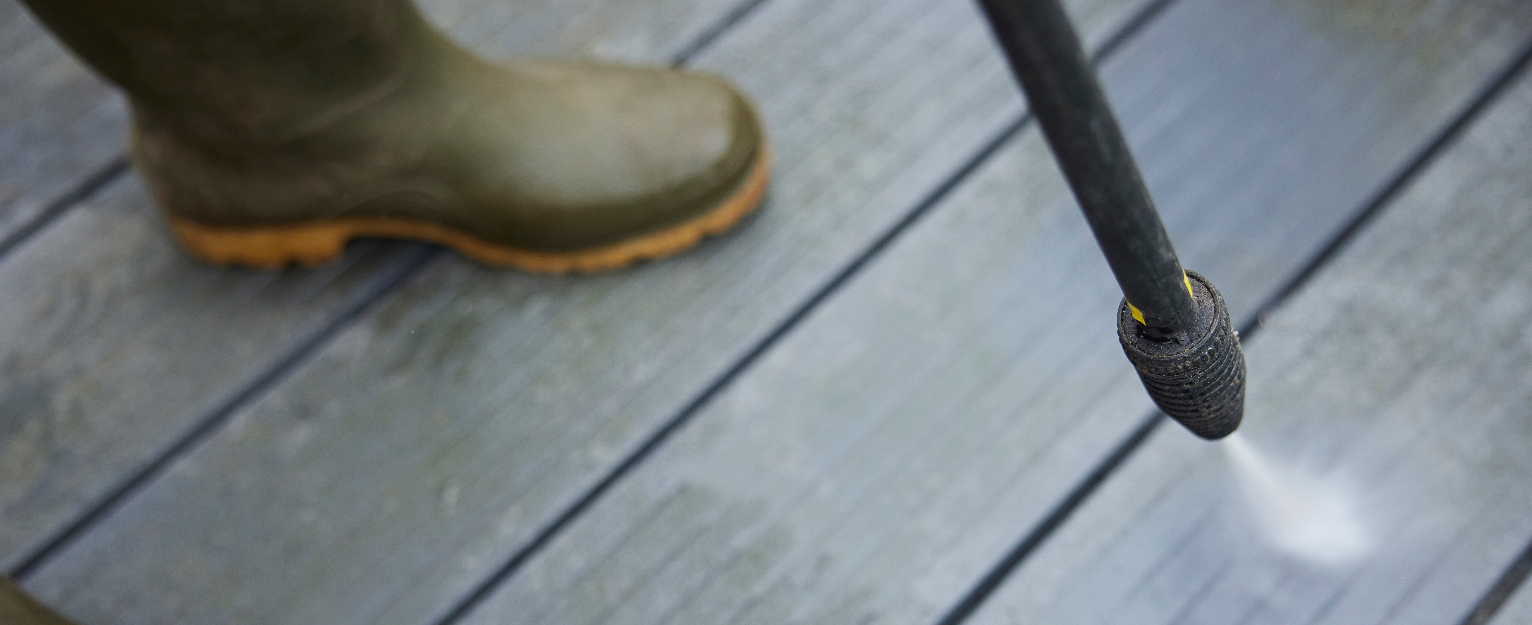
Pick a dry day if you can, grab a stiff broom, and sweep everything away. Make sure you clear the gaps between boards so water can drain freely, a simple job that makes a big difference. If there’s any moss or algae that’s made things slippery, mix up some warm water with a timber-friendly cleaner like mild dish soap or use a decking wash from your local DIY shop. Give it a gentle scrub with a soft brush, then rinse off with a garden hose. Avoid using a pressure washer on full blast, as that can damage the surface and make things worse later on. A clean deck will look better, and it’ll also dry faster after rain, which helps reduce warping and moisture damage.
Water is the real troublemaker in winter. When timber stays wet and the temperature drops, the moisture inside can freeze and expand, which puts pressure on the boards and leads to cracking. The trick is to stop water from sitting around for too long.
So, the best thing to do is check that your decking has decent drainage. Those small gaps between boards are there for a reason, so make sure they aren’t blocked with dirt or fallen leaves. If you’ve got garden furniture, plant pots, or storage boxes sitting on your decking, try to move them about occasionally or pop a couple of spacers underneath so air can flow beneath. This helps the boards dry evenly instead of staying damp in patches.
If one corner of your deck always seems to hold water, it might be worth adjusting the slope slightly or creating a small channel for runoff when the weather improves. Little tweaks like that can go a long way in preventing long-term issues.
Now’s a good time to give your decking a quick once-over and spot any signs of damage before the weather gets worse. Look out for small cracks, raised screws, or loose boards. Even tiny problems can get worse once frost sets in, as water seeps into gaps and expands when it freezes. If you can, tighten up any loose fixings and replace damaged screws.
Small cracks can usually be left alone over winter as long as they’re not letting in too much water, but make a note to sand and treat them properly in spring when the weather’s warmer. The goal right now is to make sure everything’s secure and safe to walk on through the colder months.
When it snows or gets icy, it’s tempting to grab the nearest shovel and get stuck in, but go gently. Metal tools can easily scratch the surface of your timber decking, which then lets moisture soak in. Instead, use a plastic shovel or a soft broom to push snow aside.
If it ices over, skip the rock salt, as it might melt ice quickly, but it can discolour and damage the wood. A small sprinkle of sand or non-slip grit will give you a safer surface without harming your decking.
Try to avoid using boiling water too, as sudden temperature changes can shock the timber and make small cracks worse. Instead, pour warm (not hot) water if you really need to break up ice patches.
Winter is all about damage prevention rather than major treatments. Once the weather turns milder and dry again, that’s when you can look at deeper maintenance jobs, such as sanding, re-oiling, or sealing. But for now, focus on keeping things clean, dry, and tidy so that your decking stays in the best shape possible through the colder months.
If you’re finding all this upkeep a bit too much, or you simply don’t have the time to stay on top of your timber decking, you could always consider switching to composite decking. It doesn’t warp, crack, or need regular treatment, and it’s a brilliant low-maintenance alternative that still looks fantastic all year round.
At Savoy Timber, we’re experts in all things decking, from composite to timber decking. If you need help looking after your decking, or you’re still choosing the right boards for your outdoor space, we can help! From decking boards to decking kits to decking samples, we have everything you need for hassle-free decking right here! If you have any questions or need any help keeping your decking sturdy over winter, our friendly team is just a call away on 0345 0268 799!

