
My Cart
0
You have no items in your shopping cart.
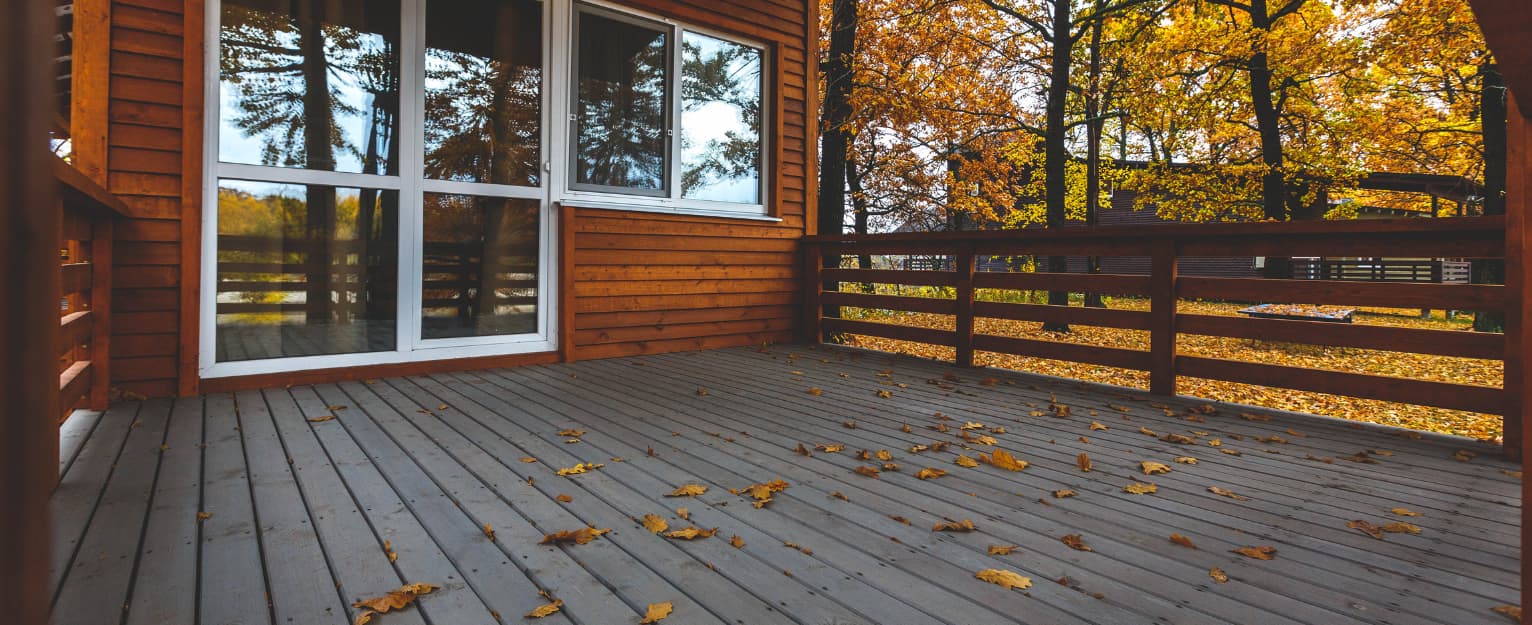
Autumn leaves falling from the trees may be a beautiful sight to behold, but a build-up of leaves can be really inconvenient for your garden decking, fencing, and patio. If you’ve invested in some beautiful timber or composite decking, it’s important to protect it from the elements as the wet weather rolls in, and autumn is no exception to that rule. While the leaves may look lovely scattered across your garden, leaving them unattended can lead to damage – particularly on wooden surfaces, which are more vulnerable to rot and decay. Let’s take a look at how you can protect your outdoor spaces and keep them in top shape throughout this autumn.

Believe it or not, fallen leaves, while beautiful, can cause issues for your garden decking, fencing, and patio. While leaves may seem harmless, the main problems come when they are left to sit on timber surfaces – moisture from decaying leaves can lead to wood rot, which weakens boards and shortens their lifespan. Even composite decking can be affected, with leaves leaving behind stains over time, and they can be tough to get out once they’re there. Similarly, patios, especially those made of porous materials like Indian sandstone, can develop stains or slippery surfaces when leaves accumulate.

During autumn, it’s important to maintain a cleaning schedule to protect your decking and fencing. It’s a good idea to sweep away fallen leaves regularly, especially after wet or windy weather, as it’s crucial for preventing moisture buildup, which can lead to rot on timber decking and staining on composite decking and stone patio. This simple task helps keep everything looking clean and tidy. Regular sweeping also prevents organic matter from building up, which can cause staining and make the surface slippery; just be sure you’re not using a broom that’s going to scratch the surface of your deck.

Autumn is the perfect time to check over your garden decking and fencing for any existing damage that might need attention before winter hits. Look for signs of wear, such as cracks, splintering, or loose boards. If left untreated, the harsh conditions of winter can worsen these issues, leading to more significant damage that’s much more difficult to repair. If any boards seem loose or damaged, it’s best to repair them now. If leaves pile up on top of this existing damage, it can speed up the decomposition process.
What’s more, it’s a good idea to clean your decking to remove any debris and mildew that may have accumulated during the summer. Regular maintenance now can save you time and money in the long run by preventing more extensive repairs in the future.

Don’t think of fallen leaves as just another chore – there are plenty of ways you can make the extra time in the garden worth your while. After clearing leaves from your decking, fence, and patio, add them to your compost pile. Over time, they’ll break down into nutrient-rich compost that will give your plants a healthy boost next spring and keep your soil thriving.
If you’re not into composting, you can still put those leaves to good use. Spread a layer over the soil around your more delicate plants to act as mulch, insulating their roots and keeping them warm throughout the winter. It’s a simple, natural way to protect your plants from the cold and keep your garden tidy at the same time, and as they break down over time, your plants get all the benefits!
At Savoy Timber, we’ve made a name for ourselves by supplying reliable and robust decking and fencing solutions—all at affordable prices, whether you prefer composite or timber. If you’re looking for a particular product or if you’d like a bit of DIY advice, feel free to get in touch with our friendly team on 0345 0268 799. We’re always happy to help!

